By the time the paramedics arrived, Marlo had already been gone for nearly an hour. No one blamed Noah.
There were empty prescription bottles on the nightstand, a handwritten letter folded neatly beside a wedding photograph, and fifteen years of evidence that Marlo had fought harder than anyone realized.
Sometimes Marlo was filled with impossible hope. She painted until sunrise with the optimism that she was Madonna, planned cross-country road trips, adopted stray dogs, and laughed so loudly that neighbors smiled through their walls. Other times, depression swallowed her whole, a vortex she couldn’t climb out of. Days would pass without conversation, and the curtains stayed closed. Noah learned that love could sit beside someone in silence and still be powerless against an invisible illness that rewrote reality. Afterward, Marlo always apologized.
“I’m still me,” she’d whisper.
“I know,” Noah would answer.
But toward the end, even Marlo wasn’t sure anymore. She didn’t know which way was up or down, left or right.
After Marlo’s suicide, the funeral overflowed with co-workers, neighbors, and her sister from Oregon.
Noah stood at the front of the chapel wearing the navy suit Marlo had picked out for their anniversary. He accepted hugs that felt like obligations and listened to people say the same impossible sentence.
“She’s at peace now.” Noah wanted to scream. He didn’t want peace. He wanted his wife making terrible coffee at six in the morning. He wanted arguments over whose turn it was to buy groceries. He wanted his ordinary back. Instead, he went home to a house where every object had become evidence.
There were still two toothbrushes, but one was unused. Marlo’s slippers were still beside the bed. A wedding ring rested in a ceramic dish because Noah couldn’t sleep wearing it. Silence settled over the rooms like lonely dust.
Winter fell over him. Noah felt vulnerable, as though he were walking naked over a bed of hot coals in the middle of a brutal winter without Marlo.
Friends begged him to come over. His sister offered to let him stay with her. His therapist asked him to make one promise before every session.
“If you ever believe you can’t survive another night, call someone first.” Noah always nodded.
Sometimes he meant it. But sometimes he wasn’t sure. His grief had changed shape. It wasn’t loud anymore. It was quiet, as if it were the softest whisper on the wind. It followed him into grocery stores and gas stations. It sat beside him in the passenger seat while he was in traffic. It climbed into bed with him every night. He wasn’t angry with Marlo. He understood the mental illness had lied to the woman he loved. That knowledge somehow hurt even more because there was no one left to forgive.
On the first anniversary of Marlo’s death, Noah visited the cemetery before sunrise. He brought white lilies. The flowers Marlo always claimed looked like little stars. He sat on the frozen ground for nearly three hours.
“I tried,” he whispered. “I really did.”
The wind carried nothing back, only silence. When he returned home, the house felt unfamiliar. It was large and empty, haunted by memories of his wife. He wandered into the bedroom and opened the closet.
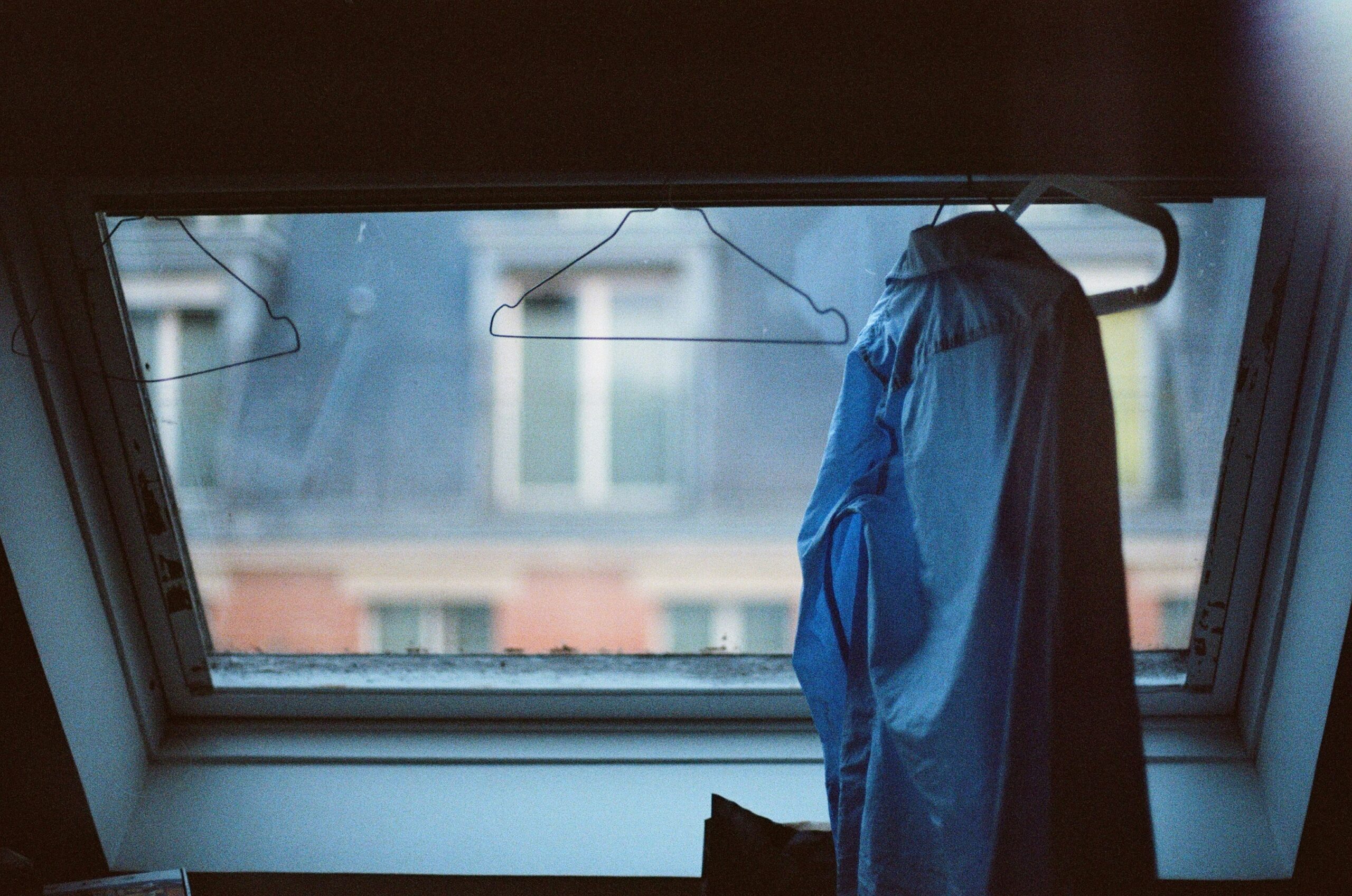
Marlo’s jackets still hung exactly where she’d left them. Noah buried his face in one of them. He could still smell her perfume. It smelled of tuberose, empathy, and a Sephora make-up store. That hurt more than he expected. He sank to the floor and cried until his chest ached.
Alone in that house that had once been filled with music, laughter, arguments, and plans for a future he would never see, Noah lifted the jacket to his face and breathed her in. For a moment, Marlo was there again—the faint smell of her perfume, the warmth of her skin, the life they had shared before everything went dark.
He closed his eyes and held it tighter, wishing that somehow he could crawl inside the memory and stay there. As he lowered the jacket, his hand brushed against something inside the pocket. He reached in and pulled out a small piece of paper, folded twice and worn soft at the edges. He recognized Marlo’s handwriting when he opened it.
Noah, I don’t know what I did in this life to deserve you, but loving you has been the best part of being alive. Promise me you’ll never forget how much life there is in you. I hope we’re old when you read this. I hope we’re laughing about how ridiculous I was for writing it. But wherever life takes us, please live all of it. I love you. Marlo.
Noah read the note again. Then again. He pressed it against his chest and cried harder than he had cried at the funeral, at the cemetery, or during all the lonely nights that followed her death. But something about these tears was different. For the first time in a year, they didn’t feel like an ending. He looked toward the window. Morning had begun to break through the winter sky, and he wanted to know what happened next. He folded the note carefully along its old creases and slipped it into his own pocket. Then he put on Marlo’s jacket, opened the front door, and stepped outside.